
Hearing Aids in Burlington and Halton Region
Personalized hearing-aid care from an audiologist who understands hearing loss firsthand
Choosing hearing aids is not simply about selecting a device. It is about finding technology that fits your hearing, communication needs, lifestyle, comfort, and budget - and having the right professional support after the fitting.
At Empathy Hearing Clinic, your care is provided by Jennifer Candundo, an audiologist who was born with hearing loss and wears hearing aids herself. Jennifer combines clinical expertise with lived experience, taking the time to understand what you are missing, where you struggle, and what you want to improve.
Whether conversations feel unclear, restaurants have become exhausting, the television keeps getting louder, or your current hearing aids are not working as well as you hoped, we are here to help you move forward with clarity and confidence.
You will receive thoughtful recommendations, clear explanations, and ongoing support - without pressure to make a decision before you are ready.
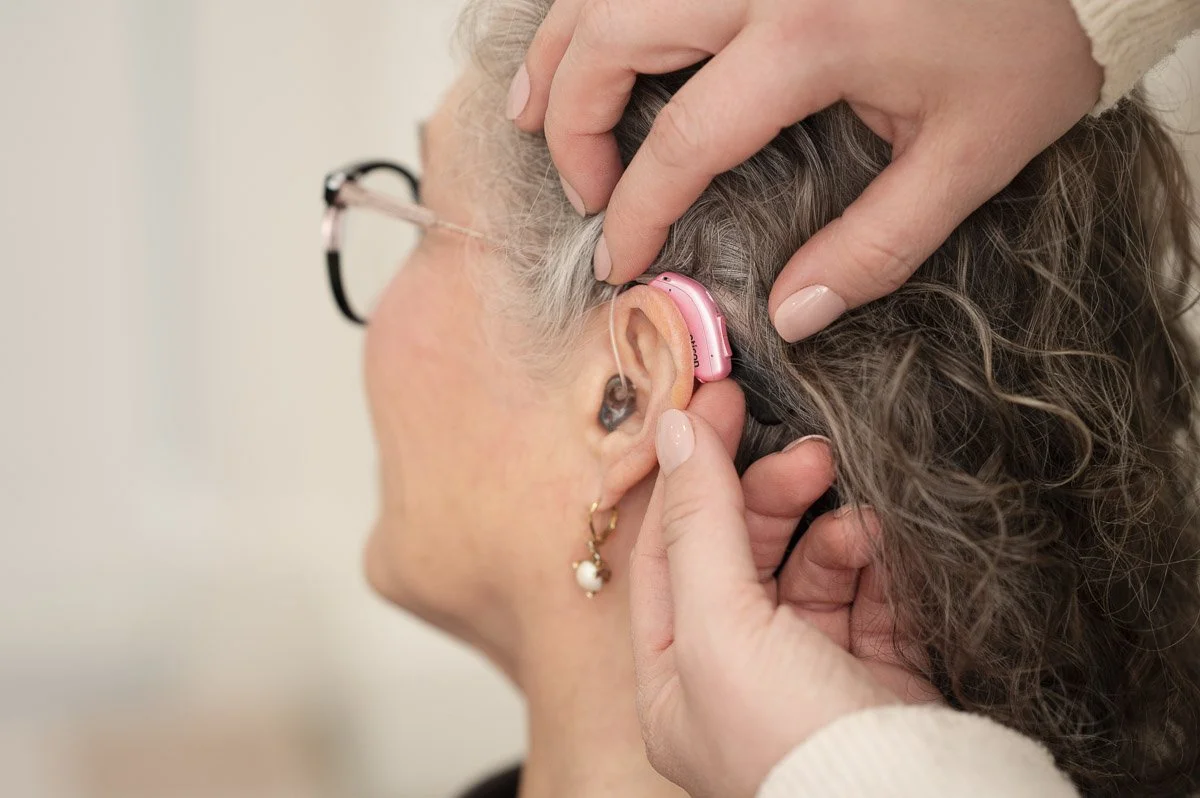
How do I know if I may need hearing aids?
Hearing loss often develops gradually. Many people adapt for years before realizing how much effort they are using to follow everyday conversation. A hearing assessment is the best place to begin if you notice any of the following:
People seem to mumble or speak too softly.
You hear someone talking but cannot always understand the words.
Restaurants, family gatherings, meetings, or group conversations are difficult.
You ask people to repeat themselves more often.
The television or phone needs to be louder than others prefer.
You feel tired after listening or begin avoiding social situations.
Family members have raised concerns about your hearing.
You have tinnitus, or ringing or buzzing in your ears.
These experiences do not automatically mean that hearing aids are required. A comprehensive hearing test helps determine whether hearing loss is present, what type and degree it is, and which options may be appropriate.
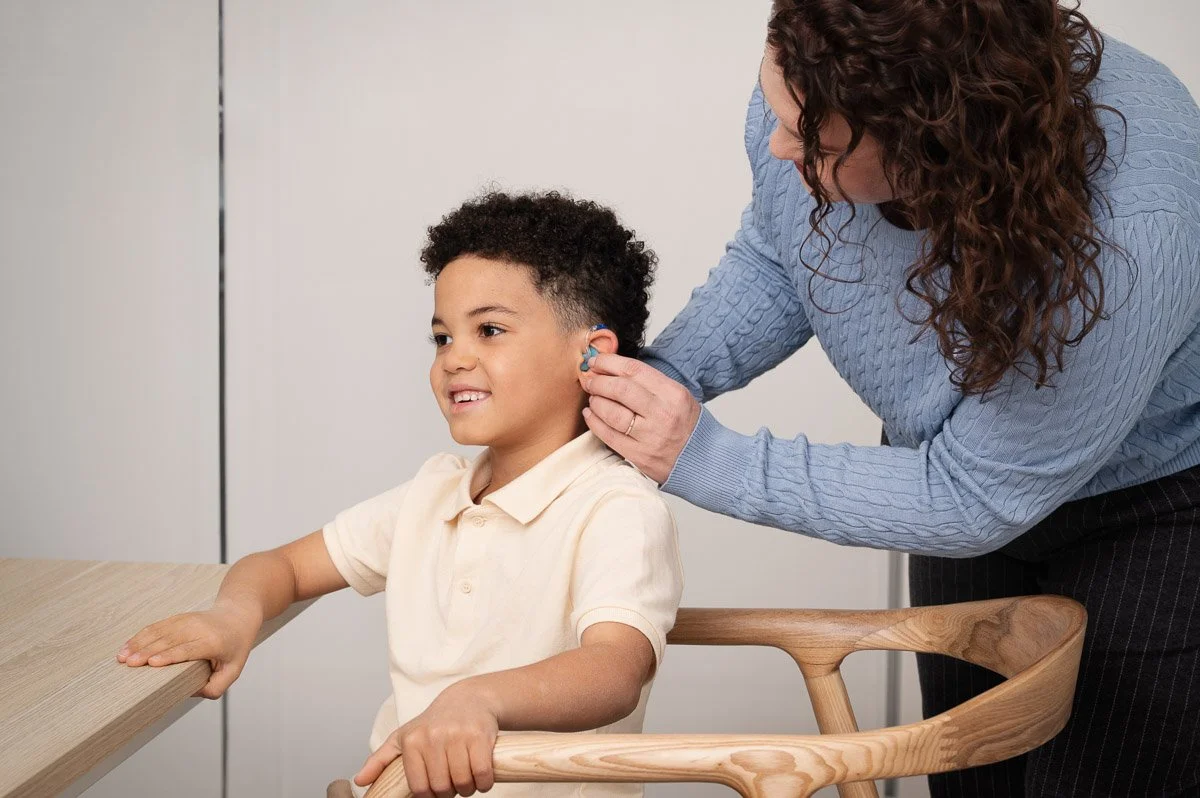
What to expect from the hearing-aid process
1. Start with a comprehensive hearing assessment. We review your concerns and health history, examine your ears, evaluate your hearing, and explain the results in clear language.
2. Discuss your goals and listening needs. We talk about the people, places, and situations that matter most to you, along with comfort, connectivity, appearance, budget, and funding considerations.
3. Review appropriate options. Jennifer explains suitable hearing-aid styles and technology choices, including the practical differences that may affect your everyday experience.
4. Complete the fitting and verification. Your hearing aids are programmed for your hearing and checked so that the output is appropriate for your individual prescription and comfort.
5. Learn how to use and care for them. We review insertion, removal, charging or battery changes, cleaning, maintenance, controls, and connection to compatible devices.
6. Fine-tune and follow up. Real-world experience matters. Follow-up appointments allow us to adjust the hearing aids, address concerns, and help you become a more confident user.
Why verification and follow-up matter
Two people with similar-looking hearing tests can have very different listening needs and preferences. A successful fitting requires more than using a manufacturer's default setting.
At Empathy Hearing Clinic, hearing aids are fit carefully and evaluated against individualized targets using evidence-based verification. Your comfort and experience are also essential. We listen to your feedback and make adjustments based on how the devices are working in your daily life.
Hearing aids also require ongoing care. Changes in hearing, ear health, wax buildup, physical fit, software, and lifestyle can all affect performance. Our goal is to support you beyond the day you receive your devices.
Hearing aids selected for your real life
There is no single hearing aid that is best for everyone. The right choice depends on more than an audiogram. We consider the situations that matter to you, the shape and health of your ears, your comfort with technology, your dexterity, your listening environments, and your personal preferences.
Depending on your needs, we can discuss features such as:
Rechargeable or disposable-battery options
Bluetooth connectivity for compatible phones and other devices
Speech-in-noise and directional microphone features
Discreet receiver-in-the-canal, behind-the-ear, or custom styles
Tinnitus support features
Remote microphone and other assistive listening options
Technology levels suited to quieter or more complex listening needs
We will explain what each feature is designed to do, where it may help, and whether it is worth considering for your particular needs. The goal is not to sell you the most technology. It is to help you choose the right technology.

A different perspective on hearing aids
Jennifer understands that wearing hearing aids can involve much more than technology. There may be uncertainty, frustration, visibility concerns, listening fatigue, or disappointment from a previous experience. There can also be relief when communication becomes easier and you feel more connected again.
Because Jennifer wears hearing aids herself and is raising three children with hearing loss, conversations about hearing care are grounded in both professional knowledge and real life. You can ask practical questions and expect honest answers.
Hearing-aid costs, funding, and insurance
Hearing-aid pricing varies according to the style, technology, included professional services, and your individual needs. Before you proceed, we will review the recommended options and explain the costs so that you understand what is included.
Eligible Ontario residents may qualify for financial assistance through the Assistive Devices Program (ADP). Some private insurance plans, workplace benefits, Veterans Affairs Canada programs, Indigenous health benefits, or other third-party funders may also provide coverage. Eligibility and coverage vary, and we can help you understand the documentation involved where applicable.
If budget is an important consideration, please tell us. A good recommendation should reflect your clinical needs and your circumstances.
Already wearing hearing aids?
You may benefit from an appointment if your hearing aids feel weak, uncomfortable, unclear, too loud, difficult to manage, or less helpful in noise than expected. Sometimes the solution is cleaning, wax management, a physical-fit change, updated programming, verification, repair, counselling, or a different accessory - not necessarily a new pair of devices.
We can review your concerns and determine the most appropriate next step. Service availability can depend on the hearing-aid make, model, age, and access to the required programming software.
Why choose Empathy Hearing Clinic for hearing aids?
Audiologist-led care from assessment through follow-up
Independent recommendations centred on your needs and goals
Personal insight from an audiologist who wears hearing aids
Clear explanations without rushed or confusing jargon
Evidence-based fitting and individualized verification
Ongoing adjustments, counselling, maintenance, and support
A welcoming Burlington clinic serving adults across Halton Region
Frequently asked questions about hearing aids
Do I need a hearing test before choosing hearing aids?
Yes. A current comprehensive assessment is essential because hearing-aid recommendations and programming depend on the type and degree of hearing loss, speech understanding, ear health, and your individual needs. Testing can also identify findings that require medical follow-up.
What is the best hearing aid?
The best hearing aid is the one that is appropriate for your hearing, fits comfortably, supports the listening situations that matter to you, and is programmed and verified properly. Brand and technology are only part of the outcome; professional fitting and follow-up are equally important.
Will hearing aids restore normal hearing?
Hearing aids do not restore hearing to normal or eliminate every listening difficulty. They are designed to improve access to speech and sound. Most people also benefit from realistic expectations, communication strategies, consistent use, and fine-tuning over time.
How long does it take to get used to hearing aids?
Adjustment varies. Your brain is receiving sounds that may have been reduced for a long time, so everyday noises can initially feel unfamiliar. A gradual, consistent wearing plan and timely follow-up appointments can make the transition easier.
Can hearing aids help in background noise?
Modern hearing aids can improve access to speech and use features designed for complex environments, but background noise remains challenging for many people. Outcomes depend on the hearing loss, technology, fitting, environment, and communication strategies. In some situations, a remote microphone or other assistive technology may provide additional benefit.
Are rechargeable hearing aids available?
Yes. Rechargeable options are widely available and may be convenient for people who prefer not to change small batteries. Disposable-battery models may still suit some needs. We can review the practical advantages of each option.
Does OHIP cover hearing aids?
OHIP does not generally pay the full cost of hearing aids. Eligible Ontario residents may receive assistance through ADP, and additional coverage may be available through private insurance or other funding programs. Coverage and eligibility should be confirmed for your situation.
How often should hearing aids be checked?
Hearing aids should be checked whenever performance, comfort, or hearing seems to change. Regular maintenance and periodic hearing reassessment help keep the devices working appropriately. Jennifer will recommend a follow-up schedule based on your needs.
Ready to hear with more confidence?
If you are considering hearing aids in Burlington, the first step is a conversation and a comprehensive hearing assessment. We will help you understand your hearing and explore the options that make sense for you.
Empathy Hearing Clinic is located at 1160 Blair Road, Unit 1A, Burlington, Ontario, and serves adults from Burlington, Oakville, Milton, and across Halton Region.